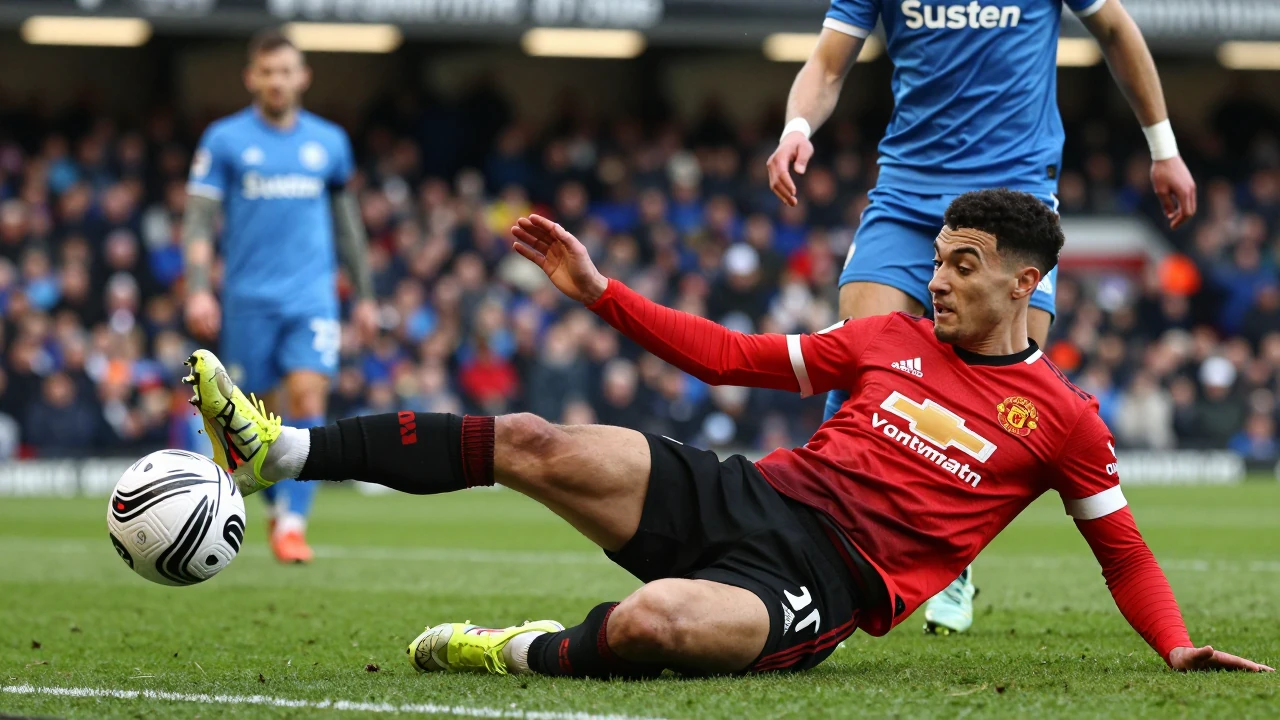

As Sheffield United navigates a challenging stretch in the league, it's imperative to analyze their tactical approach and identify areas for improvement. Recent matches have highlighted both the strengths and weaknesses of the Blades, leading to a need for strategic tweaks that could better suit the current squad and opposition.
Current Tactical Setup
Sheffield United has predominantly employed a 3-5-2 formation this season, which was effective in the early stages. The three central defenders-led by John Egan-have provided stability at the back, while the wing-backs have pushed forward to support attacks. However, as the season has progressed, the lack of creativity in the midfield and the reliance on counter-attacks have become increasingly evident. Opposition teams have adapted, effectively nullifying the Blades' attacking threat by pressing high and cutting off service to the forwards.
Midfield Dynamics
One of the most pressing issues has been the midfield's inability to control the game. The combination of Sander Berge and Oliver Norwood has struggled to maintain possession and dictate the tempo. A potential tweak could involve introducing a more dynamic midfielder, such as Max Lowe, into the starting lineup to add energy and pressing intensity. Shifting to a 4-2-3-1 formation could also provide an additional attacking outlet while allowing the team to maintain a solid defensive structure. This formation change would allow for a more fluid transition from defense to attack, with a creative playmaker positioned behind the striker.
Wing-Back Deployment
The role of the wing-backs has been crucial, yet their effectiveness has diminished in recent matches. Both Enda Stevens and George Baldock have been tasked with providing width, but they often find themselves isolated or unable to penetrate defensive lines. A tactical adjustment could involve encouraging them to make more overlapping runs, thus drawing defenders out of position and creating space for the midfielders. Additionally, incorporating a more traditional wide player, like Anel Ahmedhodzic, could add depth to the flanks, allowing for varied attacking approaches.
Pressing and Defensive Solidity
Defensively, while the three-at-the-back system has its merits, the team has been vulnerable to quick transitions and counter-attacks. Enhancing the pressing strategy could help regain possession higher up the pitch and reduce the pressure on the backline. Implementing a more aggressive pressing system, where forwards and midfielders work in unison to close down passing lanes, could disrupt opponents’ build-up play and lead to more goal-scoring opportunities for the Blades.
Conclusion
In conclusion, while Sheffield United has shown moments of promise, a reevaluation of their tactical approach is essential for improving their current form. By considering a formation change, enhancing midfield dynamics, repositioning wing-backs, and adopting a more aggressive pressing strategy, the Blades could find the key to unlocking their potential and rediscovering their winning mentality. The upcoming fixtures present a perfect opportunity to implement these tweaks and make a significant impact in the league.