Introduction
As Sheffield United handles through the ups and downs of the current season, it’s clear that tactical evolution is necessary to keep pace with the demands of the league. Recent form has illustrated both the strengths and weaknesses of the team, and a closer examination of their playing style reveals areas ripe for improvement. This article aims to identify key tactical tweaks that could bolster the Blades’ performance moving forward.
Formation and Structure
Currently, Sheffield United has been employing a 3-5-2 formation, which allows for flexibility on both ends of the pitch. However, there have been moments when this structure has appeared rigid, especially against teams that press high. One tactical tweak could involve transitioning to a 4-2-3-1 formation when in possession, allowing for greater width and the opportunity to exploit the flanks. This adjustment could also enable the full-backs to push higher up the pitch, creating overloads in wide areas and stretching opposing defenses.
Midfield Dynamics
The midfield has often been the engine room for the Blades, yet recent matches have shown that the pairing of central midfielders lacks creative spark at times. An adjustment in this area could involve integrating a more advanced number 10, allowing for better link-up play between the midfield and forwards. This player could benefit from the additional support of two deeper-lying midfielders, thus allowing for both defensive solidity and attacking flair, a balance key for breaking down stubborn defenses.
Pressing Strategy
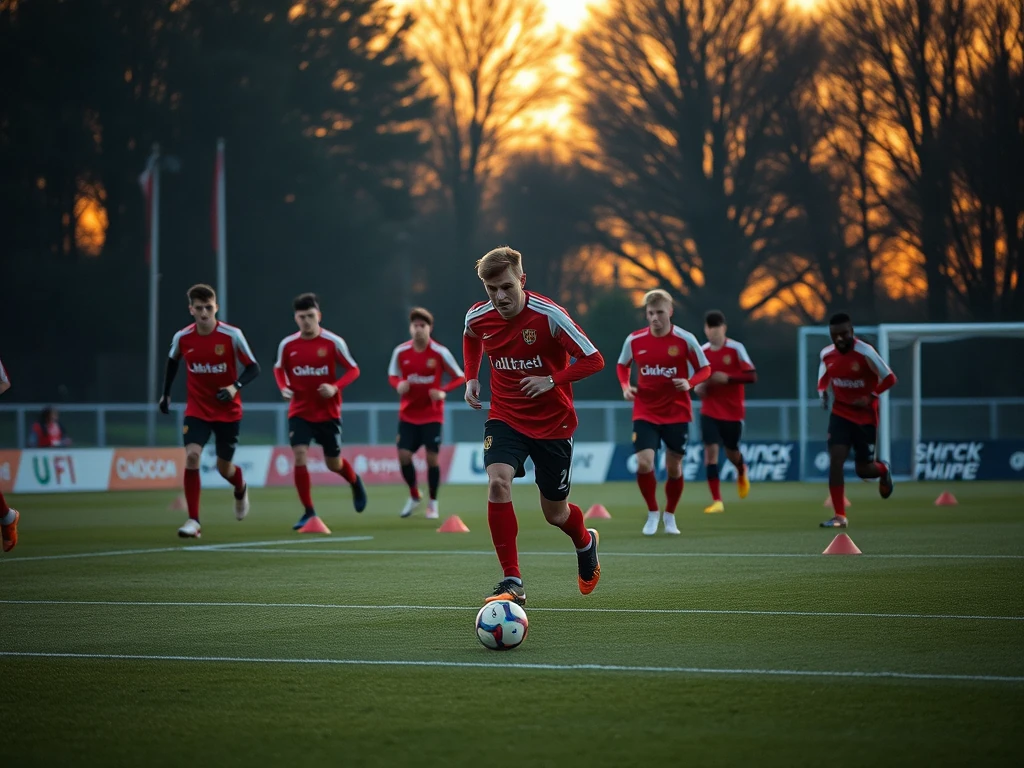
Another area for potential improvement lies in the pressing strategy. While Sheffield United has shown signs of an aggressive press, there have been instances where it lacks coordination, leading to gaps that opponents exploit. Training sessions focused on coordinated pressing triggers-when to press as a unit and when to drop back-could enhance overall team effectiveness. A more synchronized press could not only win back possession higher up the pitch but also create counter-attacking opportunities that have been underutilized.
Attacking Transitions
On the attacking front, the team has exhibited a tendency to become predictable in their approach play. To add dynamism to their forward play, introducing more fluid movement and interchange between the forwards and midfielders can create confusion for opposing defenders. Encouraging players to make runs into channels and between the lines will be key in breaking down organized defenses. Additionally, use overlapping runs from full-backs can provide the necessary width to stretch opponents, allowing for more space in the central areas.
Defensive Cohesion
Defensively, the back three has had moments of brilliance but also periods of disorganization, particularly when faced with quick transitions. Emphasizing communication and positioning during training could lead to better cohesion. Also, implementing a targeted defensive drill that focuses on maintaining shape when the ball is lost could be invaluable. This could involve the midfielders and forwards tracking back more effectively to support the defensive line, ensuring that the team remains compact and difficult to break down.
Conclusion
In summary, Sheffield United's recent form highlights the need for tactical adaptability to thrive in the league. By making subtle but impactful changes in formation, midfield dynamics, pressing strategies, attacking transitions, and defensive organization, the Blades can elevate their performance and competitiveness in upcoming fixtures. As the season progresses, these tweaks could make all the difference in securing vital points and pushing for a stronger league finish.